

Upper Elementary
Grade 3 to Grade 5
Learning Deepens. Voices Grow Stronger.
As students move through Grades 3–5, they begin to see themselves differently. They begin to use their foundational skills to ask better questions, solve more complex problems and contribute ideas that shape classroom conversations.
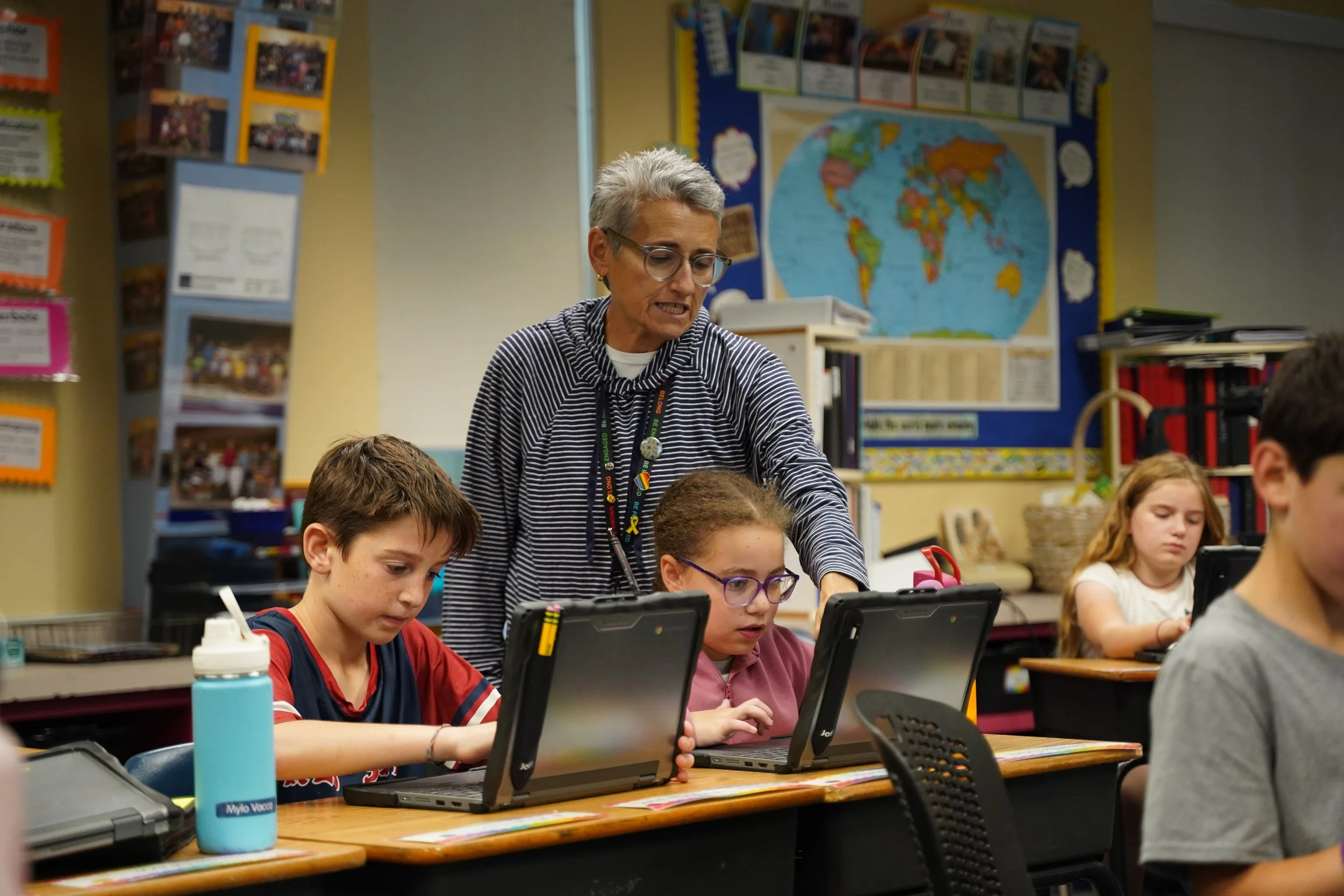
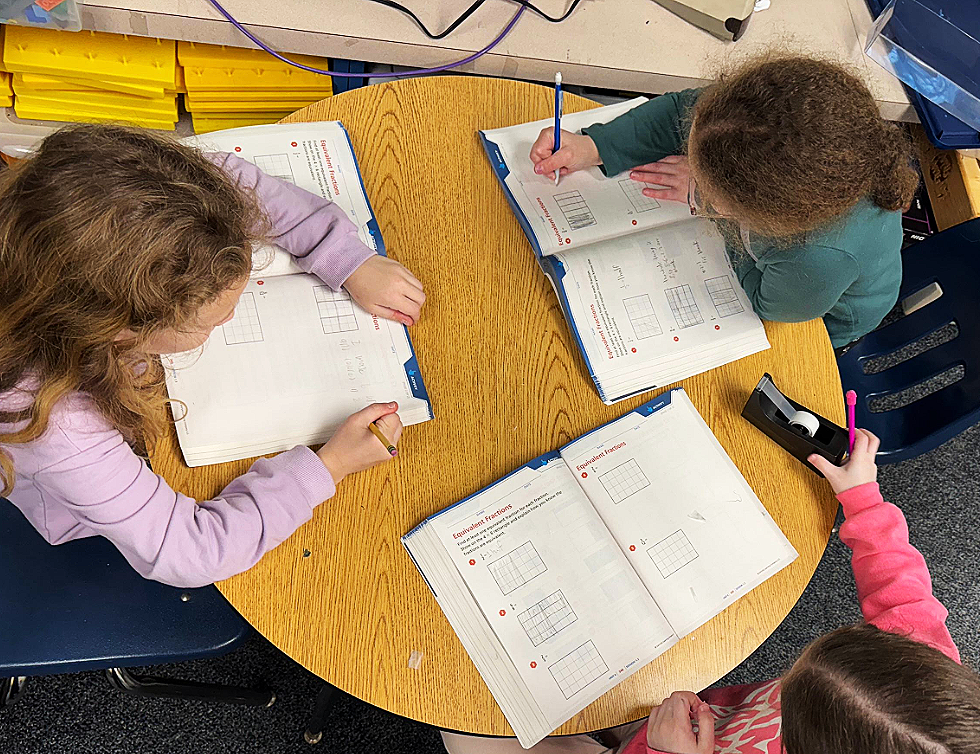
Reading becomes a way to investigate new topics. Writing stretches across genres as students explain their thinking, persuade an audience and reflect on what they're learning. Whether they're designing a science investigation, tackling a math challenge, or working together on a long-term project, students begin making connections between subjects and discover that learning doesn't happen one class at a time.
Teachers know when to offer guidance and when to step back. Students take on greater responsibility for organizing their work, collaborating with classmates, and reflecting on what helps them learn best. They begin speaking with greater confidence, not because they're expected to have all the answers, but because they know their ideas will be heard.
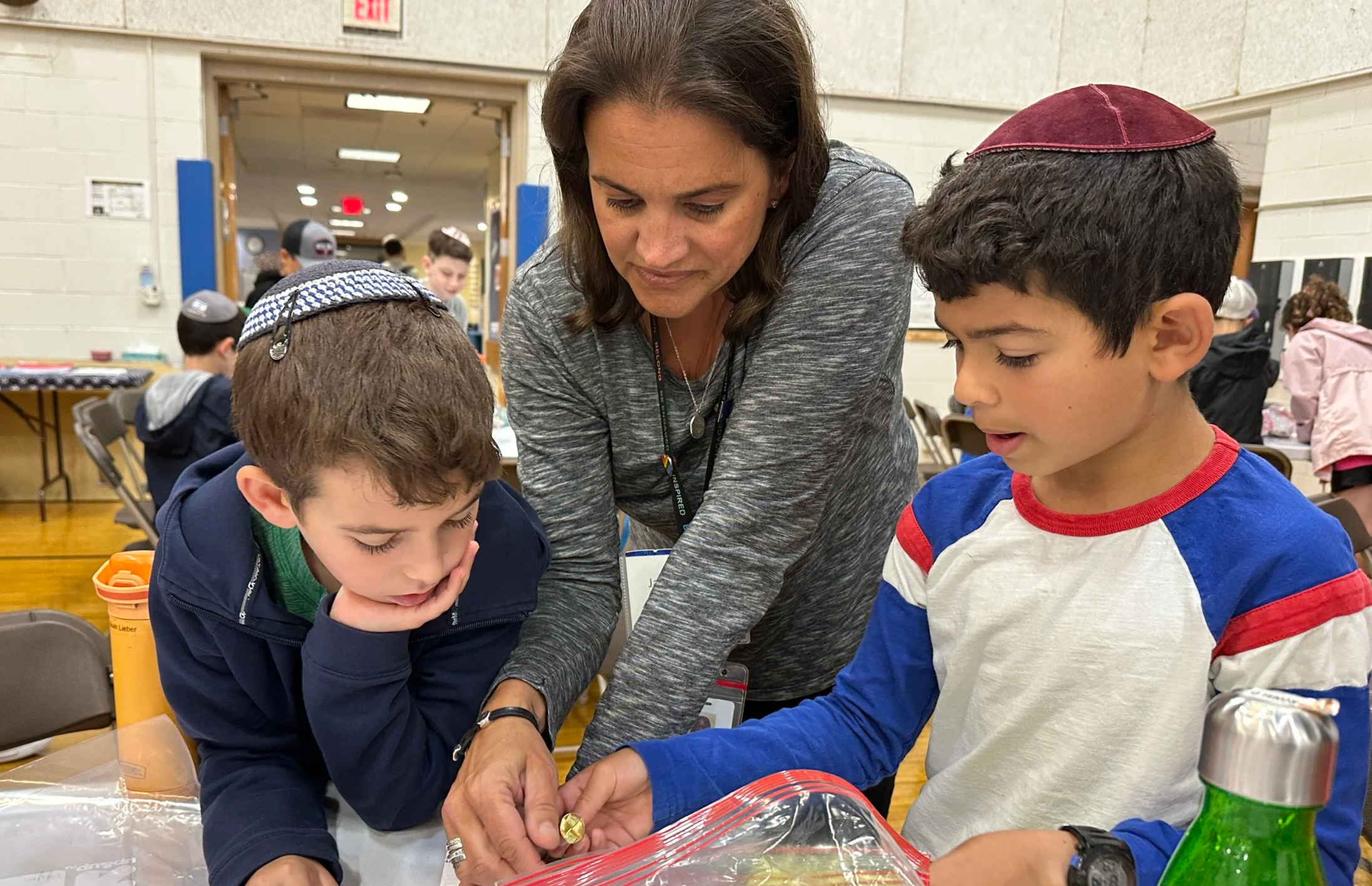
Jewish life grows alongside them. Students read Hebrew with increasing fluency, engage more deeply with Torah and Jewish texts, and discover that there is room to ask questions, consider different perspectives, and find their own voice within a tradition they experience every day.
By the end of Grade 5, students are ready for the greater independence of middle school. They leave Upper Elementary with stronger skills, growing self-assurance, and the confidence that comes from years of being known, challenged, and encouraged to contribute.


What we believe and how we teach it
Our Core Beliefs in Action
Integrated learning
We believe that subjects shouldn't exist in silos. At Schechter, a science experiment might stem from a Torah discussion, and a social studies project could inspire acts of tikkun olam. This interconnected approach helps students see the relevance of their learning in the world around them.
Individualized support
Every child is unique. We provide tailored support to meet diverse learning needs.
Personalized learning
Our data-driven, fluid small-group instruction adapts to students' evolving needs, offering enrichment and reinforcing skills so each child is both challenged and supported.
Joyful Jewish living
Jewish traditions and values are woven into daily life, not just taught in isolation. Celebrations, rituals, and Hebrew language are part of the everyday experience, fostering a strong sense of identity and community.

